Get Smart Home Automation
Smart Home Automation services help property owners simplify daily living by integrating systems like lighting, security, and climate control through experienced local contractors.
Smart home automation services provide property owners with practical solutions to enhance convenience, security, and energy efficiency. Whether considering a system upgrade or starting a new project, exploring local contractors can help identify options tailored to specific needs. Planning a smart home setup involves understanding the available technologies and features, making it beneficial to compare different service providers in the area to find the best fit for your property.
Property owners in the region may find value in consulting local service providers who specialize in smart home automation. These professionals can assist in designing systems that integrate seamlessly with existing infrastructure, helping to streamline daily routines and improve overall property management. Continuing to explore available options can support informed decisions and ensure the chosen solutions align with personal goals and property requirements.
- Smart Lighting Installation - homeowners seeking to automate and customize their lighting systems can find local contractors to set up smart bulbs and controls.
- Home Security System Integration - those wanting to enhance security with connected cameras, alarms, and access controls can connect with nearby service providers.
- Automated Climate Control - residents looking to optimize heating and cooling with smart thermostats can find local pros for seamless setup.
- Voice-Activated Home Controls - individuals interested in controlling devices through voice commands can work with local contractors experienced in smart home tech.
- Whole-Home Automation Setup - property owners aiming for comprehensive smart home systems can contact local service providers for integrated automation solutions.
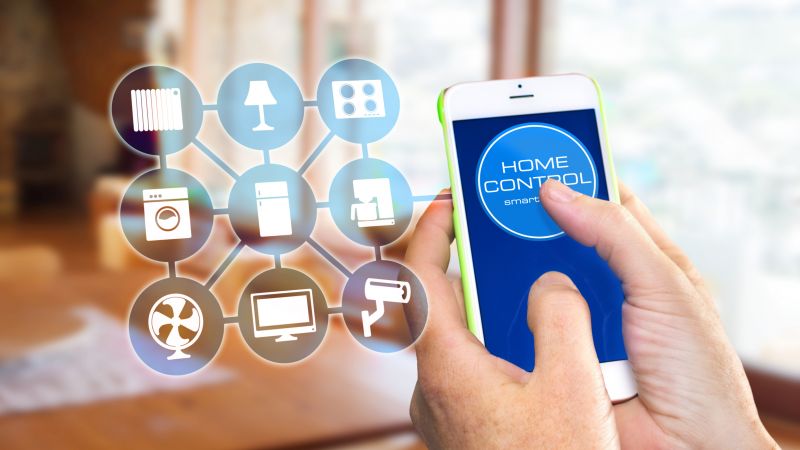
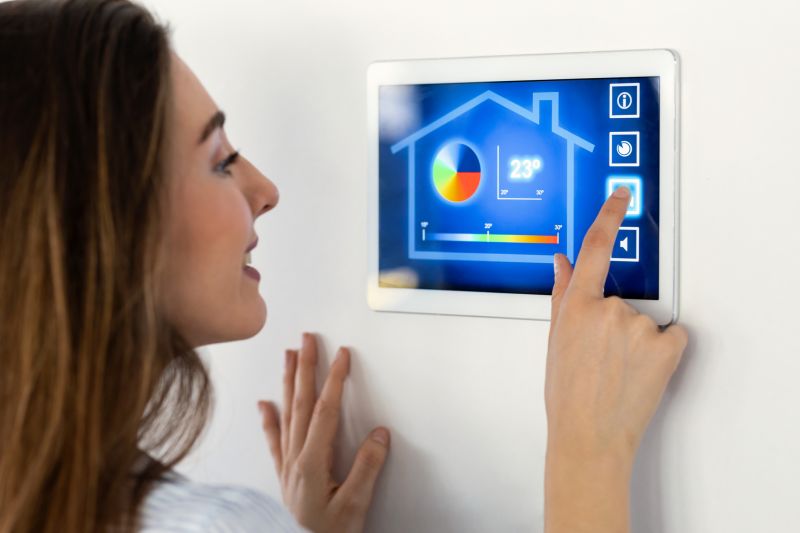
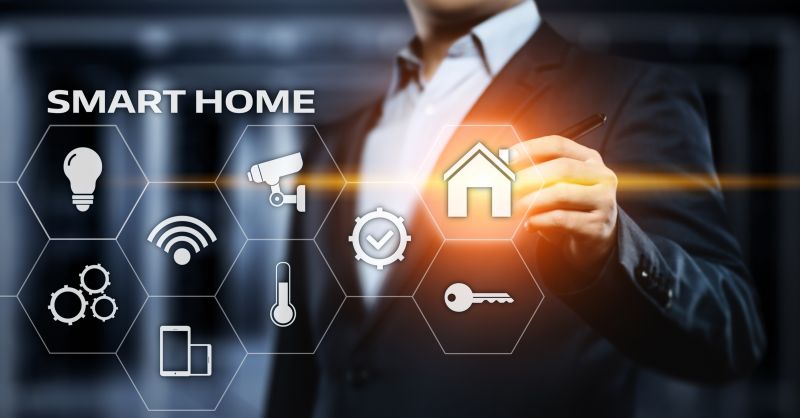
Smart home automation services involve installing systems that allow homeowners to control and manage various devices and appliances within their property through centralized technology. These systems can include smart lighting, thermostats, security cameras, door locks, and entertainment equipment, all integrated to work seamlessly together. The goal is to enhance convenience, improve energy efficiency, and provide better control over the home environment. Local contractors specializing in smart home automation can assess a property’s layout and recommend solutions tailored to individual needs, ensuring that the technology is easy to use and effectively integrated into daily routines.
Many common problems can be addressed with smart home automation. For example, homeowners often seek solutions to reduce energy waste by remotely controlling heating, cooling, and lighting. Security concerns are another major reason for investing in automation, as integrated systems can offer real-time monitoring, alerts, and remote access to cameras and locks. Additionally, busy households benefit from the convenience of automating routine tasks, such as scheduling lighting or adjusting thermostats from a smartphone. Local service providers can help identify which automation features best solve specific challenges, making daily life more comfortable and manageable.
Smart home automation services are typically used in a variety of property types, including single-family homes, multi-family residences, and even some commercial spaces. Residential properties with multiple floors or extensive outdoor areas often benefit from automation to streamline control across different zones. Modern apartments and condominiums may also incorporate smart systems to enhance security and convenience within compact spaces. Properties that are undergoing renovations or new constructions frequently integrate automation from the start, but existing homes can also be upgraded with these solutions. Local contractors can evaluate any property to determine the most practical and effective automation options.
For homeowners considering smart home automation, it’s important to understand when this technology can make a real difference. If managing multiple devices manually feels overwhelming, or if security and energy management are priorities, automation services can provide significant benefits. Properties that aim to improve convenience, increase security, or reduce utility costs are often ideal candidates. Local service providers can work with homeowners to design and install systems that fit their lifestyle and property type, helping to create a smarter, more connected home environment.
The overview below groups typical Smart Home Automation projects into broad ranges so you can see how smaller, mid-sized, and larger jobs often compare in your area.
In many markets, a large share of routine jobs stays in the lower and middle ranges, while only a smaller percentage of projects moves into the highest bands when the work is more complex or site conditions are harder than average.
Smaller Repairs - Many routine smart home automation repairs, such as fixing a malfunctioning thermostat or replacing a faulty sensor, typically cost between $150 and $400. These projects are common and usually fall within the lower to mid-range of pricing. Fewer jobs involve extensive repairs that can exceed this range.
System Installation - Installing a new smart home system or adding multiple devices generally ranges from $500 to $2,500. Most installations land in this middle range, with larger, more complex setups possibly reaching $3,000 or more. The cost varies based on the number and complexity of devices.
Full Home Automation - A comprehensive automation setup for an entire home can range from $5,000 to $20,000 or higher. While many projects fall into the $8,000 to $15,000 range, larger, custom integrations can push costs beyond $20,000. These are typically larger, more involved projects.
Upgrades and System Replacements - Upgrading or replacing an existing smart home system usually costs between $1,000 and $6,000. Many homeowners find their projects fall within this range, with more extensive upgrades potentially exceeding $7,000 depending on the scope. Local contractors can provide estimates based on specific needs.
Actual totals will depend on details like access to the work area, the scope of the project, and the materials selected, so use these as general starting points rather than exact figures.
Lighting Control Projects - local contractors can install automated lighting systems that enhance convenience and energy efficiency in homes, similar to smart automation setups.
Home Theater System Installations - professionals skilled in wiring, connectivity, and device integration can help create seamless entertainment experiences akin to smart home automation.
Security System Installations - local service providers can set up automated security cameras and access controls that integrate with smart home networks.
Climate Control System Setup - contractors can install smart thermostats and HVAC controls that optimize indoor comfort through automation.
Voice-Activated Device Integration - local pros can connect voice assistants and smart speakers to various home systems, enabling hands-free control.
Remote Monitoring Solutions - service providers can configure systems that allow homeowners to monitor and manage their home automation remotely for added convenience.
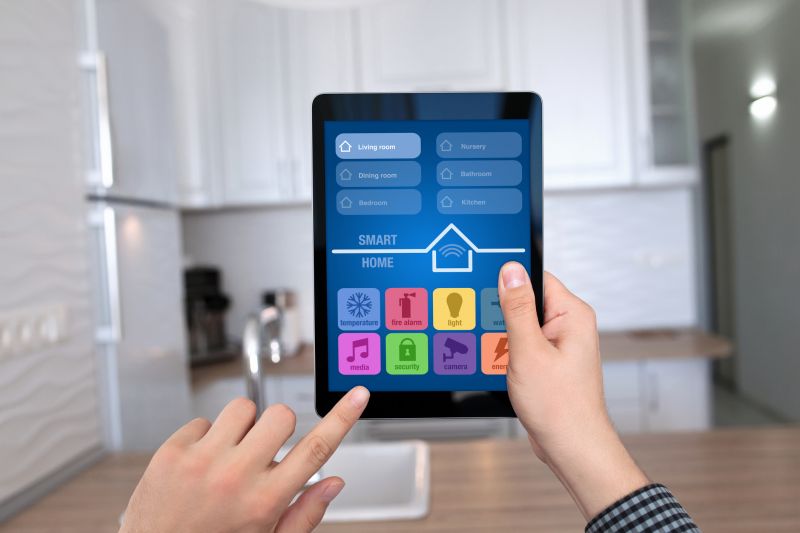
When comparing service providers for Smart Home Automation projects, it’s important to consider their experience with similar installations. A contractor who has worked on comparable systems or home setups is more likely to understand the complexities involved and deliver results that meet expectations. Homeowners should inquire about the types of projects a local contractor has completed and seek to verify their familiarity with the specific automation features or devices they wish to incorporate.
Clear written expectations are essential to ensure everyone is aligned before work begins. When evaluating local contractors, look for providers who offer detailed proposals or written outlines of the scope of work, including the services they will provide and the deliverables involved. This transparency helps prevent misunderstandings and provides a reference point throughout the project, making it easier to address any questions or concerns that may arise.
Reputable references and solid communication are also key factors in selecting a dependable service provider. Homeowners should ask for references from past clients who had similar projects and contact them to gather insights about their experiences. Additionally, a contractor’s ability to communicate clearly and promptly can greatly influence the overall experience. Choosing local pros who prioritize transparency and responsiveness can help ensure the project proceeds smoothly and meets the homeowner’s needs.
Property owners use Smart Home Automation services for practical projects around their homes and businesses. This guide focuses on everyday jobs and straightforward project options.
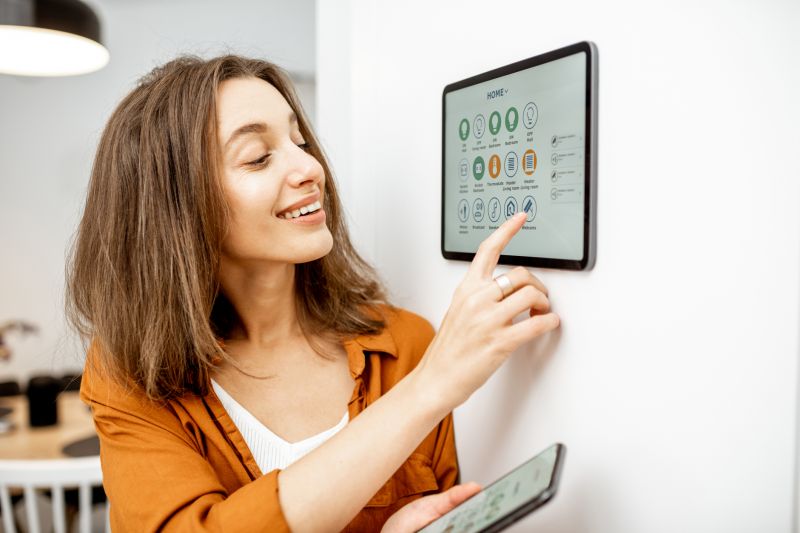
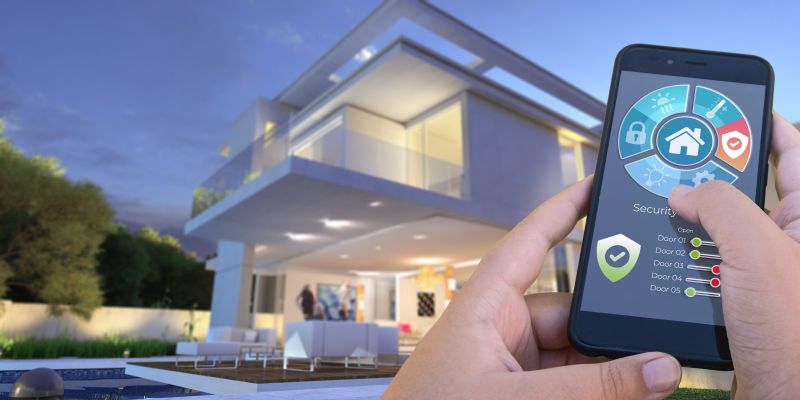
Smart home automation services are often sought by property owners looking to enhance convenience and streamline daily routines. Whether replacing traditional lighting controls, installing smart thermostats, or setting up automated security systems, many individuals want simple solutions that make managing their homes easier. Local contractors can assist with these projects, providing guidance on device selection and ensuring seamless integration with existing systems.
In addition, homeowners may pursue smart automation to improve energy efficiency or increase home security. Small upgrades like automated blinds or smart locks can offer added comfort and peace of mind. Local service providers are equipped to handle these installations, helping property owners achieve a more connected and manageable living environment with straightforward, practical solutions.
What types of smart home automation services are available? Local contractors offer a range of services including lighting control, thermostat management, security systems, and integrated home entertainment setups.
How do smart home automation systems work? Service providers typically install devices that connect to your home's existing wiring or Wi-Fi network, allowing you to control various systems through a centralized app or voice commands.
Can smart home automation be integrated with existing devices? Many local service providers can assess your current devices and recommend compatible automation solutions to enhance your home's connectivity.
What should I consider when choosing a smart home automation provider? It's important to evaluate the provider’s experience, the range of services offered, and their ability to customize solutions to fit your needs.
Are there different types of smart home automation systems? Yes, options range from simple remote-controlled systems to complex setups that automate multiple aspects of your home for convenience and security.
Automated Lighting Control - Simplify daily routines by having lighting adjust automatically based on time or occupancy, enhancing convenience and energy efficiency.
Smart Security Systems - Enhance home security with systems that enable remote monitoring and automated alerts for unusual activity.
Climate Management - Maintain a comfortable environment by remotely controlling thermostats and managing heating or cooling systems.
Voice-Activated Devices - Use voice commands to control lights, locks, and appliances for hands-free convenience around the home.
If you are thinking about Smart Home Automation for a property, this guide is meant to help you understand the work, the typical project types, and how different options might fit your plans.
When you are ready, you can use the quote form on this page to share a few details about your project. From there, local pros can review the basics and respond with options that match what you have in mind.